A rainy Sunday, a weekday evening after work, a quiet hour between two obligations: we all have these empty slots that we end up filling by scrolling a screen. The problem is not the lack of free time, but the absence of leisure activities that stand the test of time. Finding an activity that provides both pleasure and a sense of progress requires a minimum of method.
Handicraft workshops: the creative hobby that replaces meditation
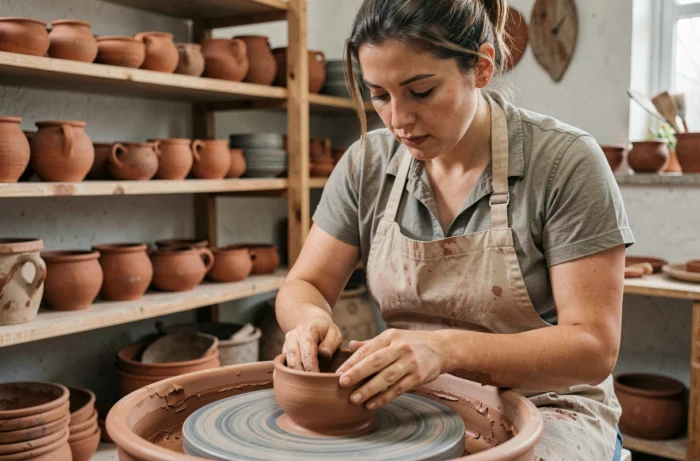
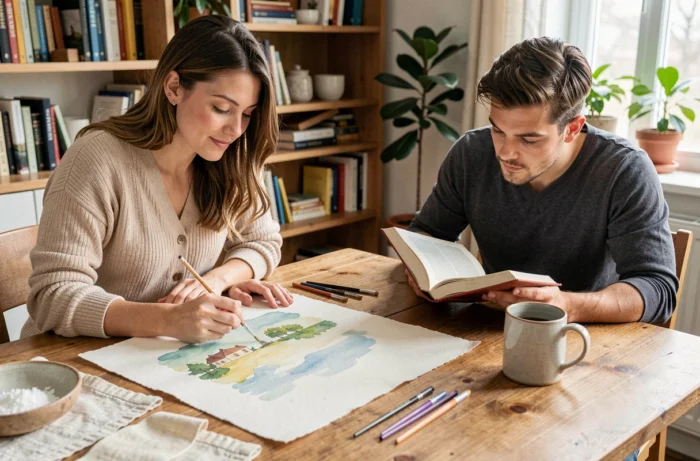
Since 2022, the number of handicraft workshops (pottery, ceramics, sewing, woodworking) has surpassed that of yoga classes in major French cities. This is no coincidence: many people are abandoning abstract mindfulness for concrete actions with materials like clay, fabric, or wood.
There has been an increase of about one third in registrations on leisure platforms for these workshops in one year. The trend is structural, not seasonal. Psychologists interviewed in specialized media explain that relaxation is better achieved through a collective and tangible ritual than through a seated posture with closed eyes.
In practice, one can start with a one-off pottery or woodworking workshop for around twenty euros before committing to a cycle. Feedback varies on this point, but most participants notice a disconnection effect from the very first session. For everything you need to know on Wiki FR, you can check the detailed categories that help choose a hobby suited to your desires.
Sports activities accessible without a club or subscription
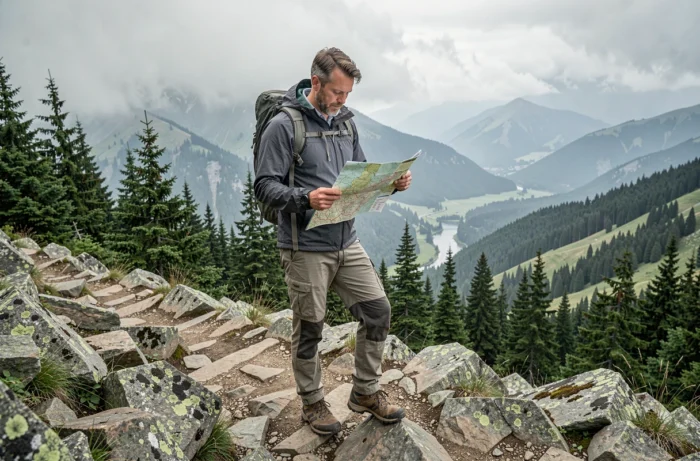
France is among the European countries where independent sports practice is growing the most. Trail running, for example, attracts new practitioners every year who prefer a forest path to a treadmill indoors. All you need is a pair of suitable shoes and a GPX track downloaded on your phone.
Running and brisk walking in natural surroundings
Trail running can be practiced everywhere, including on the outskirts of major cities. The advantage over road running: the uneven terrain engages stabilizing muscles more and reduces monotony. For a beginner, alternating brisk walking and running on a hilly five-kilometer course is enough to lay the foundations.
Informal team sports among friends or colleagues
Organizing a weekly badminton or volleyball match costs almost nothing if you book a slot in a municipal gym. This type of leisure combines physical exercise and social connection, two factors that public health surveys consistently associate with better perceived well-being.
- Badminton can be played by two or four people, requires only a lightweight racket, and adapts to all fitness levels.
- Outdoor volleyball (parks, urban beaches) works with a variable group, without club registration.
- Five-a-side football, offered in many complexes in urban areas, allows for short one-hour sessions.
Board games, escape games, and cognitive hobbies
The effect of strategy games on concentration and working memory is often underestimated. Regularly playing chess, go, or modern board games (cooperative, narrative) develops measurable cognitive skills, without the school-like aspect of mental exercise.
Escape games have firmly established themselves in the leisure landscape in France. This team game format, limited to one hour, combines puzzle-solving, communication, and stress management. They can be found both in city centers and in portable versions at home.
Why puzzles and brain teasers are making a comeback
The rise of creative hobbies at home since 2020 is not limited to manual work. Puzzles, crosswords, and logic games are experiencing a lasting resurgence, driven by online communities sharing challenges and tips. This format suits people looking for a calm hobby that can be done alone, without time constraints.
Cultural courses and workshops: music, cooking, languages
Learning a musical instrument remains one of the most comprehensive hobbies cognitively. Reading sheet music, coordinating hands, listening to the sound produced: the brain works on multiple registers simultaneously. There are now structured online courses that allow progress at one’s own pace, for both piano and guitar.
Cooking workshops among individuals are multiplying and offer a concrete alternative to traditional classes. You learn a recipe, eat together, and leave with a technique. This short format (two to three hours) easily fits into a busy schedule.
Learning a language without going back to school
Mobile apps have democratized language learning, but they are not enough. To truly progress, one needs conversations with native speakers. Language tandem platforms connect people who exchange freely in their respective languages, often via video conferencing.
- Setting a weekly thirty-minute slot with a tandem partner creates an effective learning routine.
- Complementing with podcasts in the target language during daily commutes accelerates listening comprehension.
- Joining an in-person conversation group, often organized in cafes or libraries, adds a social dimension.
Slow tourism and micro-adventures close to home
Going far away is no longer synonymous with a successful leisure experience. Slow tourism is gaining ground in France, driven by a desire for tranquility and proximity. Vacationers are choosing destinations less than an hour from home and returning with less stress and a controlled budget.
Micro-adventures, on the other hand, involve transforming an ordinary weekend into a local expedition: camping in the forest, night hiking, swimming in a wild river. No need for expensive equipment or taking time off. You leave on Saturday morning, return on Sunday evening, and the change of scenery is real.
The most sustainable leisure is the one you practice without forcing yourself. Trying a manual activity on a Saturday, running a trail on Wednesday, solving a puzzle in the evening: varying formats prevents boredom and maintains curiosity. The best investment remains to block a fixed slot in the week, even if short, for a chosen and not imposed hobby.