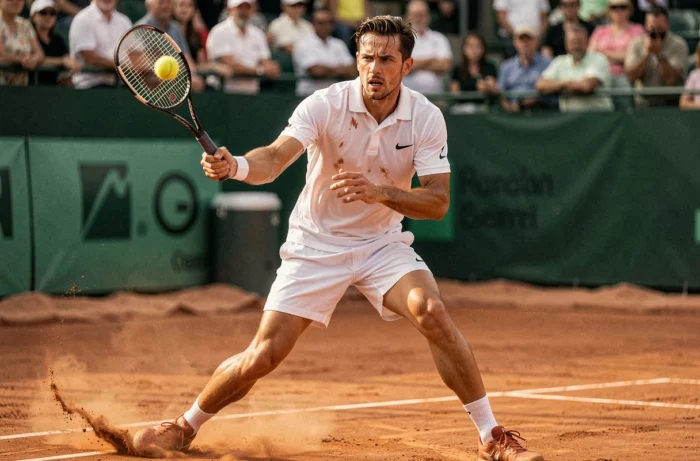
The last name starting with the letter C encompasses a remarkable density of champions across sports disciplines. Football, tennis, gymnastics, swimming, basketball: this initial transcends eras and continents, with records that have redefined performance standards in each respective sport.
What the letter C reveals about the diversity of represented disciplines
Unlike other initials dominated by one or two sports, C covers a wide disciplinary spectrum. Football holds a prominent place with profiles as diverse as Éric Cantona, Edinson Cavani, or Iker Casillas. American basketball is represented by Stephen Curry. Artistic gymnastics features Nadia Comăneci, and tennis includes careers like those of Jennifer Capriati or Alizé Cornet.
This variety allows for comparisons of radically different sports trajectories, from longevity on a professional circuit to a unique Olympic highlight. It also shows that famous athletes whose names start with c are not limited to European football, even though it dominates in volume.
Nadia Comăneci and the perfect 10: a technical feat unmatched in gymnastics
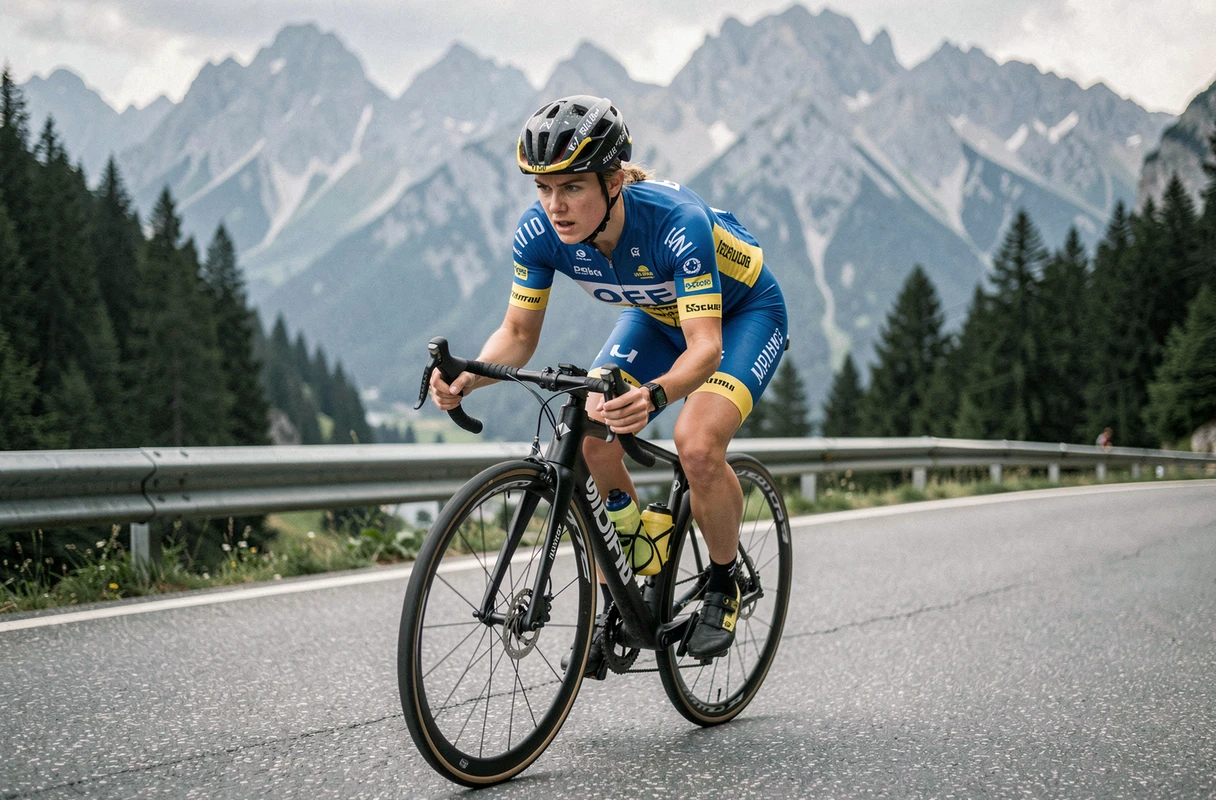
At the Montreal Olympics in 1976, Nadia Comăneci achieved seven perfect scores of 10, a result never before reached in Olympic gymnastics. The scoreboard at the sports palace was not even designed to display such a score: it indicated 1.00 instead of 10.0, due to a lack of suitable format.
This complete Olympic record, regularly highlighted by the media, makes the Romanian gymnast a historical reference that transcends her discipline. Her case illustrates how a singular feat can cement an athlete in collective memory for several decades.
Stephen Curry and the redefinition of the three-point shot in the NBA
Stephen Curry transformed the way professional basketball is played. Before his emergence, the three-point shot remained a complementary weapon in the offensive arsenal of NBA teams. Curry made it the central pivot of a winning strategy, forcing opposing defenses to rethink their positioning across the court.
His mastery of long-distance shooting has influenced the training of young players and the tactical choices of coaches at all levels of American basketball. NBA franchises now prioritize recruiting outside shooters capable of stretching defenses, a change directly linked to Curry’s impact on the game.
Contrasting paths: Capriati, Cornet, and Cantona facing duration
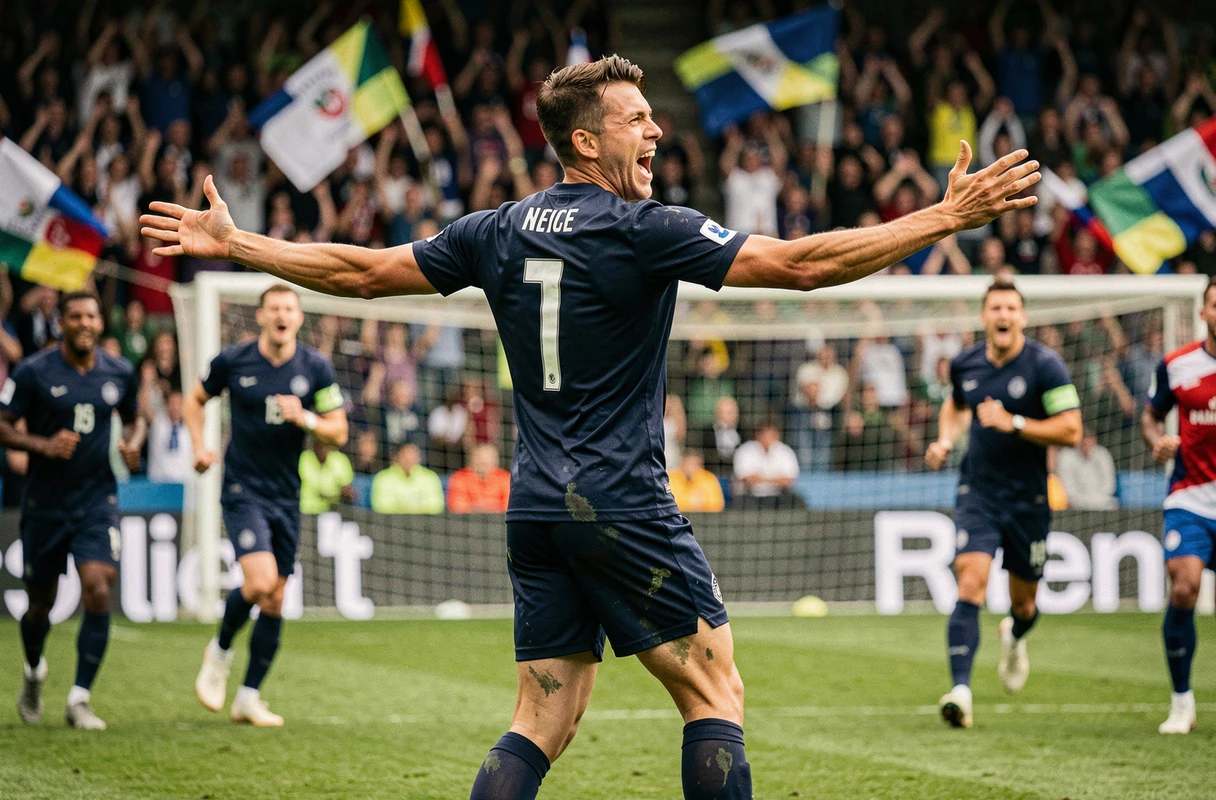
A sports career is not measured solely by titles. Three profiles in C illustrate very different relationships with time and competitive pressure.
Jennifer Capriati became an Olympic champion at sixteen during the Barcelona Games, before going through difficult years off the court. Her return to the highest level, crowned by a Grand Slam title at the Australian Open, remains a textbook case of sports resilience.
Alizé Cornet, on the other hand, built her career on remarkable longevity within the WTA circuit and the French national team. Her retirement in 2024 marked the end of one of the most consistent presences in French women’s tennis.
Éric Cantona chose the opposite path: an early retirement at an age when most top-level footballers continue to play. His time at Manchester United, marked by a volcanic temperament and memorable technical gestures, was enough to make him a figure in European football.
- Capriati: extreme precocity, personal fall, then victorious return in Grand Slam
- Cornet: consistency over time, Olympic presence, planned retirement after a full career
- Cantona: brief intensity, disproportionate cultural impact relative to the duration of his career
Casillas, Cavani, Camavinga: three generations of football in C
Football provides a useful chronological thread for observing the evolution of the sport. Iker Casillas embodies the modern goalkeeper, a pillar of Real Madrid and the Spanish national team during a period of dominance in world football. His positioning, game reading, and longevity at the highest level set a standard for goalkeepers.
Edinson Cavani, the Uruguayan striker who played for Naples and then Paris Saint-Germain, represents a profile of a generous scorer in defensive effort. His physical prowess and ability to score in big matches have made him one of the most prolific strikers of his generation.
Eduardo Camavinga, a Franco-Angolan midfielder recruited very young by Real Madrid, belongs to a different era of football. His versatility and early tactical maturity reflect the current demands of the midfield position in high-level football.
Charles Leclerc and Formula 1: a unique case in Monegasque sport
Charles Leclerc occupies a singular place among athletes in C. A Monegasque driver for Ferrari, he ranks at the top of Monaco’s athletes according to recent rankings. His journey in Formula 1 combines raw driving talent and media pressure related to both his nationality and the team he represents.
Formula 1 remains a sport where equipment significantly conditions results. A driver’s record is not read the same way as that of a footballer or gymnast: individual performance intertwines with the strategic choices of the team, mechanical reliability, and race contingencies.
Leclerc exemplifies this tension between individual talent and collective constraints, an aspect that lists of athletes by initial rarely mention.
The common thread among these athletes goes beyond the letter that opens their last name. Each has modified, to varying degrees, the practice or perception of their sport. Whether a career lasted five years or twenty years, the imprint left is more about the uniqueness of the gesture or trajectory than the accumulation of titles.