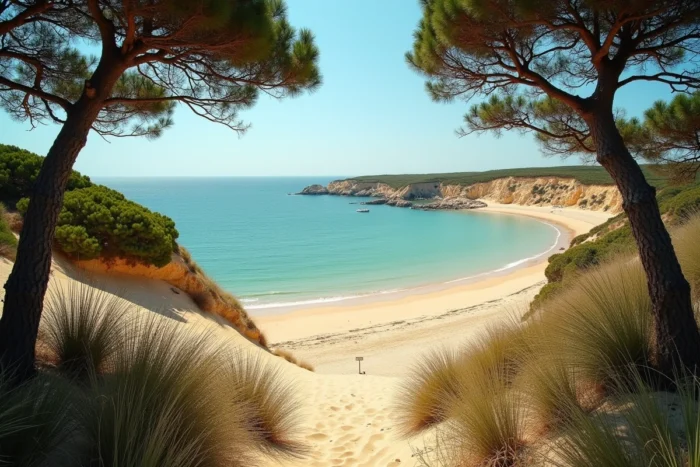
On the island of Ré, the practice of naturism by the ocean is based on a regulatory framework that is stricter than what typical tourist guides suggest. Between areas officially authorized by municipal decree and sectors simply tolerated by usage, the distinction has concrete consequences for anyone wishing to lay down their towel without the risk of being fined.
Comparing these naturist beaches according to their legal status, accessibility, and attendance allows one to measure what separates a legal spot from a mere tolerated usage.
Legal status of naturist beaches on the island of Ré: official or tolerated
The most widespread confusion concerns the number of beaches that are actually authorized. Several sites list five, six, or even seven naturist beaches on the island. The administrative reality is more limited.
| Beach | Municipality | Status | Signage on site |
|---|---|---|---|
| Peu Bernard | La Couarde-sur-Mer | Official (municipal decree) | Signs at the beginning and end of the area |
| Conche des Baleines | Saint-Clément-des-Baleines | Tolerated by usage | No official signs |
Only the beach of Peu Bernard has formal regulation. The other areas owe their naturist reputation to regular and longstanding attendance, without legal guarantee. This distinction changes everything in case of a check.
To precisely locate these different sectors along the Ré coastline, the map of naturist beaches on the island of Ré identifies each spot and its access from the surrounding villages.
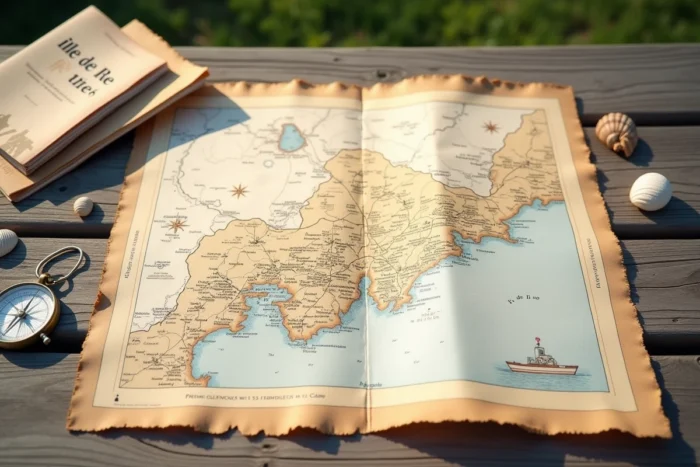
Peu Bernard in La Couarde-sur-Mer: the only official naturist area on the island
The Peu Bernard sector, on the southern coast of La Couarde-sur-Mer, is the only naturist beach regulated by a municipal decree on the entire island of Ré. Signs indicate the beginning and end of the authorized area. Practicing naturism within this perimeter poses no legal issues.
A point often overlooked: the municipal boundary with Le Bois-Plage-en-Ré divides the beach in two. The beach of Petit Sergent, which extends Peu Bernard to the east, falls under the neighboring municipality and is not covered by any decree authorizing naturism. Crossing this invisible boundary exposes one to a fine, even if nothing on the sand materializes the separation.
Access is on foot from the dune paths. There are no shops or water points nearby. Bringing sunscreen and supplies is essential, especially in peak season when the sun beats down hard on this exposed southwestern coast.
Tolerated naturist beaches on the island of Ré: what tolerance really means
Tolerance is not a right. On the beach of Conche des Baleines, no municipal decree explicitly authorizes nudity. The practice continues because naturists have frequented this area for years without notable complaints, and the municipality does not actively fine.
Criminal risk outside authorized areas
The French legal framework is unambiguous. Article 222-32 of the Penal Code punishes sexual exhibition in places accessible to the public. The penalty can reach one year in prison and a fine of 15,000 euros. Naturism is not automatically equated with sexual exhibition, but outside an officially designated area, the legal risk exists.
In practice, naturists who frequent these tolerated beaches move away from family areas and head to the least accessible ends of the coastline. It is this discreet positioning that maintains local tolerance.
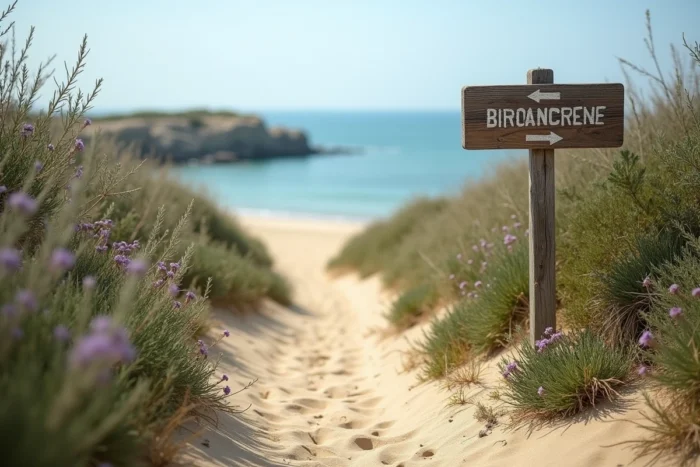
What distinguishes Conche des Baleines
Conche des Baleines (Saint-Clément-des-Baleines): a large stretch of sand facing the open sea, near the Baleines lighthouse. The naturist section is located away from the main access points.
Accessibility and real conditions on the ground: what changes with the season
Most of these beaches are not monitored. The tourist office of the island of Ré publishes every summer the list of beaches with a lifeguard station, and none of the naturist areas are included. Swimming alone in the Atlantic currents remains a risk to assess, especially on beaches exposed to the open sea like Conche des Baleines.
Outside of high season (July-August), naturist attendance drops significantly. The tolerated beaches revert to wild expanses where nudity blends into the natural isolation of the place. Local tolerance is easier to maintain off-season, when families and walkers are fewer.
Motorized access is limited everywhere. The nearest parking lots are several minutes’ walk away, sometimes more for the most isolated spots. This distance contributes to the preserved and wild character of these coastal sections.
Naturism on the island of Ré relies on a fragile balance between a very limited official framework (only one marked area) and tolerated usages that can evolve from season to season. Checking the exact status of each beach before going, identifying municipal boundaries, and respecting the discretion of the places remains the best way to preserve these natural spaces open to practice.