
Carpooling is based on a simple principle outlined in the Transport Code (article L3132-1): the driver cannot profit from the trip. Only the sharing of actual costs is allowed. This rule, often summarized in one line on platforms, raises a concrete question for each trip: how to translate variable costs into a fair amount for each passenger?
The tax framework for cost-sharing in carpooling
Before pulling out the calculator, it is important to understand what the law considers a shareable expense. The amounts paid by passengers are treated for tax purposes as a reimbursement of expenses, not as income, provided they do not exceed the driver’s actual share.
In practical terms, this means that if a trip costs 60 euros in total (fuel, tolls, wear and tear) and three people are traveling, each passenger can pay up to 20 euros. The driver also pays their share. If passengers pay more, the tax authorities may reclassify the activity as paid transport.
This exemption assumes the ability to justify a rational calculation method. Field reports vary on this point: some drivers base their calculations solely on fuel, while others include maintenance and insurance. Both approaches are legal as long as the total requested remains less than or equal to the actual expenses incurred. A detailed guide on calculating carpooling expenses on Comme Vous Voulez helps clarify the items to include.
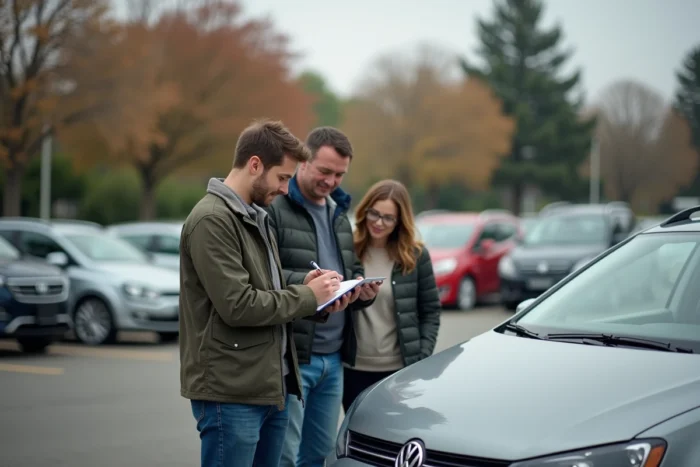
What expense items to include in carpooling calculations
Fuel is the most visible item, but it only represents part of the actual cost of a trip. Limiting the calculation to gasoline or diesel underestimates what the driver actually incurs.
The direct costs of the trip
- Fuel: calculated based on the vehicle’s actual consumption (data often available via the onboard computer) and the price per liter at the time of refueling. Multiplying the consumption per 100 km by the distance, then by the price per liter, gives a reliable gross amount.
- Tolls: easily verifiable via receipts or route calculation apps. This item is objective and not open to discussion.
- Vehicle wear and tear: tires, brakes, oil changes, belts. This cost is less intuitive but it exists. Every kilometer traveled brings the vehicle closer to needing mechanical intervention, and this reality has a price, even if it is not immediately visible.
Expenses that most drivers forget
Car insurance covers the vehicle regardless of the number of passengers, but its annual cost is related to mileage. A driver who frequently carpools accumulates kilometers that increase their risk exposure, and thus potentially their premium.
The depreciation of the vehicle (value loss due to use) also falls into actual expenses. Available data does not allow for a universal amount per kilometer, as it depends on the vehicle’s age, purchase price, and condition. However, completely ignoring this item amounts to asking the driver to subsidize the trip.
Method for distributing carpooling costs among passengers
Once the costs are identified, the distribution follows an arithmetic logic: the total expenses are divided by the number of people on board, including the driver. Each passenger pays their share, and the driver pays theirs by only collecting reimbursements from others.
This method works well for a complete trip from point A to point B. It becomes more complicated when passengers get on or off at intermediate stops.
The case of trips with intermediate stops
A passenger who only travels half the distance should not pay as much as one who completes the entire trip. The clearest solution is to break the trip into segments, calculate the cost of each segment, and then distribute it among the people present on that segment.
In practice, this approach requires a bit more rigor. Noting the distances between each stop and the number of passengers on each segment is sufficient to produce a fair calculation. Several carpooling apps automate this segmentation, but manually checking the result is still recommended for long trips with multiple stops.

Common mistakes in sharing trip costs
The first mistake is setting a price “by feel” without any calculation. A round amount that seems reasonable may be too low (the driver loses money) or too high (the driver makes a profit, which violates the law).
The second is confusing the tax mileage scale with the actual cost of the trip. The scale published by the administration is used to calculate deductible professional expenses. It includes items (depreciation, insurance, repairs) that inflate the amount compared to the marginal cost of a trip. Using this scale to charge for carpooling risks exceeding the legal share.
The third trap: not communicating the details of the calculation to passengers before departure. An amount announced without explanation generates distrust. Sharing the method (vehicle consumption, distance, tolls) as soon as the connection is made avoids tensions upon arrival.
Tools and practical rules for transparent carpooling
Platforms like BlaBlaCar offer a suggested rate per kilometer, but this amount is indicative. The driver can adjust it downward. Some third-party apps allow inputting the vehicle’s actual consumption and fuel price to obtain a personalized calculation.
For regular trips (home-work for example), a shared spreadsheet among participants remains a simple and effective tool. Recording each week the distance traveled, fuel price, and any tolls helps smooth out variations and adjust each person’s monthly contribution.
Sharing carpooling expenses is not complicated when expense items are identified and the calculation method is shared from the start. Transparency about costs protects both the driver and the passengers, and ensures that the trip remains within the legal framework of cost-sharing.